
Hidden & Unidentified Symptoms of Depression: What Most People Miss
Depression is one of the most common yet most misunderstood medical conditions worldwide.
While many people associate depression with sadness, crying, or loss of interest, a large number of patients experience depression in subtle, atypical, or “masked” ways that often go unrecognized — even by healthcare professionals.
These hidden symptoms may lead to misdiagnosis, delayed treatment, and unnecessary suffering, especially in individuals who present primarily with physical complaints.
Understanding these lesser-known symptoms is essential for early detection, better outcomes, and holistic care.
Depression Is More Than Just Feeling Sad
Depression is a systemic illness affecting the brain, hormones, immune system, metabolism, sleep, and pain perception. Many patients — particularly men, older adults, and individuals with chronic disease — may not report sadness at all.
Instead, depression may present with physical, cognitive, behavioral, or metabolic symptoms.
Unidentified & Commonly Missed Symptoms of Depression
1. Chronic Body Pain & Aches
Many depressed patients present with:
- Persistent back pain
- Neck and shoulder tension
- Headaches or migraines
- Joint or muscle aches
- Fibromyalgia-like pain
👉 Depression alters pain pathways in the brain, making pain more intense and persistent.
2. Digestive Problems (Gut Symptoms)
Depression and the gut are closely connected via the gut-brain axis.
Hidden symptoms include:
- Irritable bowel syndrome (IBS)
- Constipation or diarrhea
- Bloating
- Nausea
- Poor appetite or cravings
These patients may see gastroenterologists for years before depression is recognized.
3. Fatigue That Doesn’t Improve With Rest
This is not normal tiredness.
Patients often describe:
- “Heavy body” feeling
- Low stamina
- Feeling drained even after sleep
- Needing excessive caffeine
This fatigue is linked to neurotransmitter imbalance and low-grade inflammation.
4. Sleep Disturbances (Not Just Insomnia)
Depression may cause:
- Difficulty falling asleep
- Frequent nighttime awakenings
- Early morning waking
- Oversleeping (hypersomnia)
- Non-refreshing sleep
Sleep disturbance is both a symptom and a trigger for worsening depression.
5. Brain Fog & Poor Concentration
Often mistaken for aging or stress:
- Poor focus
- Forgetfulness
- Slowed thinking
- Difficulty making decisions
- Reduced productivity
This reflects impaired prefrontal cortex function in depression.
6. Increased Irritability & Anger
Many patients — especially men — present with:
- Short temper
- Low frustration tolerance
- Anger outbursts
- Emotional numbness
- Feeling “on edge”
They may deny sadness but report being constantly irritated.
7. Changes in Weight & Eating Behavior
Depression can cause:
- Emotional eating
- Sugar and carb cravings
- Loss of appetite
- Weight gain or weight loss
- Binge eating
This creates a vicious cycle between depression and obesity.
8. Loss of Libido & Sexual Dysfunction
Often not discussed:
- Reduced sexual desire
- Erectile dysfunction
- Reduced arousal
- Loss of intimacy
This may be misattributed to hormones or aging.
9. Anxiety, Restlessness & Panic-Like Symptoms
Depression often coexists with anxiety:
- Internal restlessness
- Racing thoughts
- Chest tightness
- Feeling “wired but tired”
- Panic symptoms
This is sometimes labeled as “stress” only.
10. Apathy & Emotional Numbness
Some patients feel:
- Empty rather than sad
- Detached from life
- No pleasure or excitement
- Lack of emotional response
This is called anhedonia, a core symptom of depression.
Reversible Risk Factors for Depression
One of the most empowering aspects of depression management is that many major risk factors are modifiable.
Addressing these can significantly improve mood — sometimes even before medications.
1. Obesity — A Major, Reversible Risk Factor
Why Obesity Increases Depression Risk
Obesity is not just a weight issue — it is a neuro-metabolic and inflammatory condition.
Obesity contributes to depression through:
- Chronic low-grade inflammation
- Insulin resistance
- Leptin resistance (affects mood regulation)
- Poor sleep (sleep apnea)
- Body image distress
- Social stigma
- Reduced physical activity
Inflammatory cytokines directly affect serotonin and dopamine pathways.
The Vicious Cycle
Depression → Emotional eating → Weight gain → Inflammation → Worse depression
Why Weight Loss Improves Mood
Even 5–10% weight loss can:
- Reduce inflammation
- Improve insulin sensitivity
- Improve sleep quality
- Increase energy
- Improve self-esteem
- Improve antidepressant response
2. Physical Inactivity
Sedentary lifestyle is strongly linked to depression.
Exercise:
- Increases serotonin & dopamine
- Improves BDNF (brain growth factor)
- Reduces inflammation
- Improves insulin sensitivity
Even 20–30 minutes of brisk walking most days has antidepressant effects.
3. Poor Diet & Ultra-Processed Foods
High intake of:
- Refined sugars
- White flour
- Trans fats
- Ultra-processed foods
is associated with higher depression risk.
Anti-depressant nutrition includes:
- Fiber-rich foods
- Omega-3 fatty acids
- Fermented foods
- Protein adequacy
- Micronutrients (B12, folate, magnesium, zinc)
4. Poor Sleep Hygiene
Chronic sleep deprivation increases:
- Cortisol
- Inflammation
- Insulin resistance
- Mood instability
Improving sleep is a powerful, reversible antidepressant strategy.
5. Vitamin & Hormonal Imbalances
Common reversible contributors:
- Vitamin D deficiency
- B12 deficiency
- Iron deficiency
- Thyroid disorders
- Low testosterone (in men)
- Perimenopausal hormone changes (in women)
These should always be screened in persistent depression.
6. Chronic Stress & Burnout
Long-term stress leads to:
- HPA axis dysregulation
- Elevated cortisol
- Emotional exhaustion
- Depressive symptoms
Stress management is a medical intervention, not just lifestyle advice.
Why Recognizing Hidden Depression Matters
Undiagnosed depression leads to:
- Poor diabetes control
- Poor blood pressure control
- Weight gain
- Increased cardiovascular risk
- Poor medication adherence
- Reduced quality of life
Treating depression improves both mental and physical health outcomes.
A Holistic, Medical Approach to Depression
Depression should be treated like any chronic disease — using a biopsychosocial and metabolic model, including:
✔ Lifestyle modification
✔ Weight and metabolic health
✔ Sleep optimization
✔ Nutritional correction
✔ Psychological support
✔ Medications when indicated
Final Thoughts
Depression often hides behind physical symptoms, fatigue, irritability, weight changes, and unexplained pain. Recognizing these masked symptoms allows for earlier intervention and better recovery.
Addressing reversible risk factors — especially obesity, inactivity, poor sleep, and metabolic dysfunction — can significantly reduce depression severity and improve long-term mental resilience.
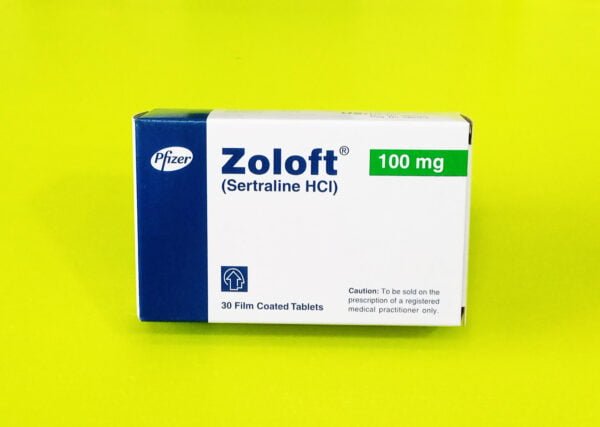
Zoloft 100mg Tablets – Sertraline HCl
Zoloft 100mg tablets contain the active ingredient sertraline hydrochloride, a medication prescribed for the treatment of depression, anxiety disorders, and certain other mental health conditions. Sertraline belongs to a class of medications called selective serotonin reuptake inhibitors (SSRIs), which work by increasing the levels of serotonin, a neurotransmitter, in the brain.
Out of stock
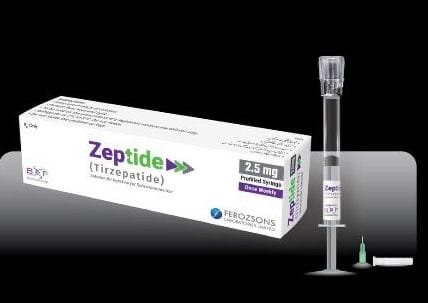
Injection Zeptide (Mounjaro Alternative in Pakistan) | The Cheapest Tirzepatide Available
Zeptide Injections in Pakistan:
Zeptide is Pakistan’s most affordable tirzepatide brand (Mounjaro® alternative), manufactured by Ferozsons.
It is a once-weekly injection used to improve blood sugar control in Type 2 Diabetes and supports significant weight loss when combined with diet and lifestyle changes.
Available in:
- 2.5 mg,
- 5 mg,
- 7.5 mg,
- 10 mg,
- 12.5 mg, and
- 15 mg once weekly injections at affordable prices.
Common side effects include nausea, vomiting, stomach upset, and decreased appetite.
Not for Type 1 diabetes or during pregnancy.
It is a prescription-only medicine.
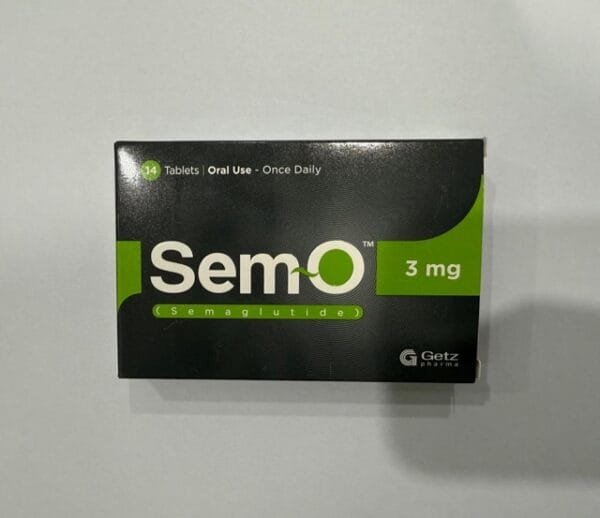
SemO Tablets 3 mg and 7 mg Oral Semaglutide | Ozempic and Rybelsus Alternative in Pakistan
SemO Tablets 3 mg – Oral Semaglutide (Ozempic & Rybelsus Alternative)
SemO Tablets contain 3 mg of oral semaglutide (Generic: Semaglutide), a clinically proven GLP-1 receptor agonist that helps control blood sugar levels and supports healthy weight loss in adults with type 2 diabetes.
Designed as an oral alternative to Ozempic and equivalent to Rybelsus, SemO offers effective diabetes and weight management in a simple once-daily tablet.
Product Details:
- Generic: Semaglutide
- Brand: SemO
- Manufacturer: Getz Pharma
- Tablets per Pack: 14
- How to Take: Swallow with two glasses of water, 30 minutes before the first meal of the day
✅ Helps lower blood glucose levels
✅ Supports appetite control and gradual weight loss
✅ Convenient oral formulation—no injections required
✅ Trusted alternative to Rybelsus
Use only under medical supervision. Not recommended for individuals with a history of thyroid cancer or pancreatitis.