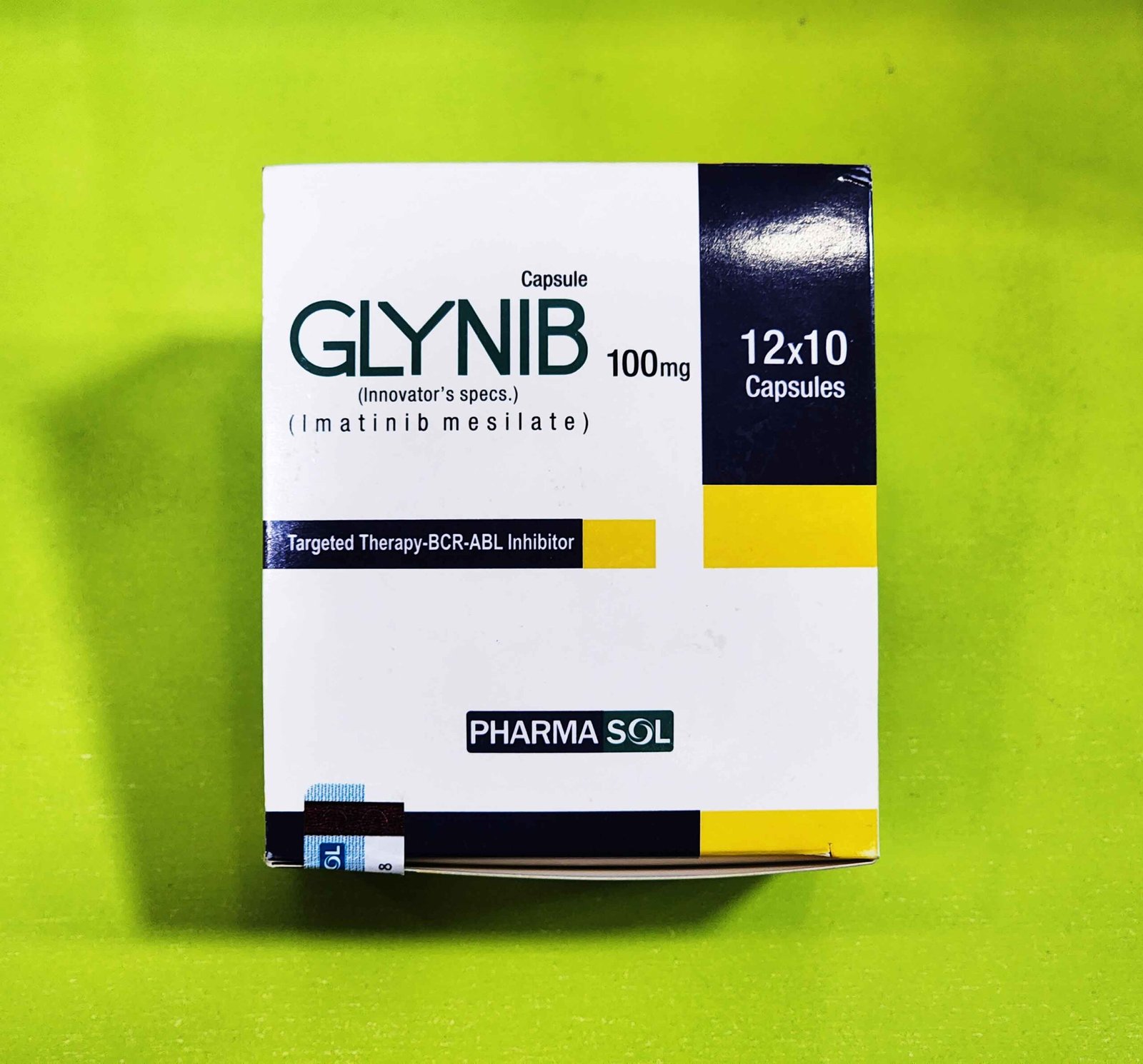
Glynib (Imatinib Mesylate) 100 mg: Availability, Uses, and Considerations in Pakistan
Glynib, which contains the active substance imatinib mesylate, is an important medication primarily utilized in the treatment of specific forms of cancer, notably chronic myeloid leukemia (CML) and gastrointestinal stromal tumors (GISTs).
As an inhibitor of the BCR-ABL protein, Glynib effectively targets and disrupts the signaling pathways that promote the growth and survival of cancerous cells.
This mechanism has established imatinib as a pivotal component in modern oncology, offering hope to patients afflicted by these challenging conditions.
The significance of Glynib in cancer treatment cannot be overstated, as its introduction has transformed therapeutic outcomes for many patients.
Prior to the advent of imatinib, the prognosis for individuals with chronic myeloid leukemia was often bleak.
However, the ability of Glynib to induce durable responses has made it a cornerstone of therapy in this domain.
Clinicians frequently consider Glynib as a first-line agent due to its effectiveness, tolerability, and favorable safety profile.
Within the context of Pakistan, Glynib holds a crucial place in the cancer treatment landscape.
As healthcare professionals strive to provide the best possible care options, awareness of Glynib availability, including the Glynib price in Pakistan, becomes essential for ensuring that patients have access to this vital medication.
The accessibility of imatinib in Pakistan has enhanced treatment options for many, yet considerations regarding its cost and insurance coverage remain relevant topics for discussion among both healthcare providers and patients alike.
In terms of overall efficacy, studies have consistently shown that imatinib, including formulations like Glynib, leads to improved rates of progression-free survival and overall health outcomes for patients.
This therapeutic agent exemplifies how targeted treatments can significantly reshape the management of cancer, offering a model for future oncology advancements.
The ongoing research and development surrounding drugs like Glynib further underpin the dynamic nature of cancer therapies today.
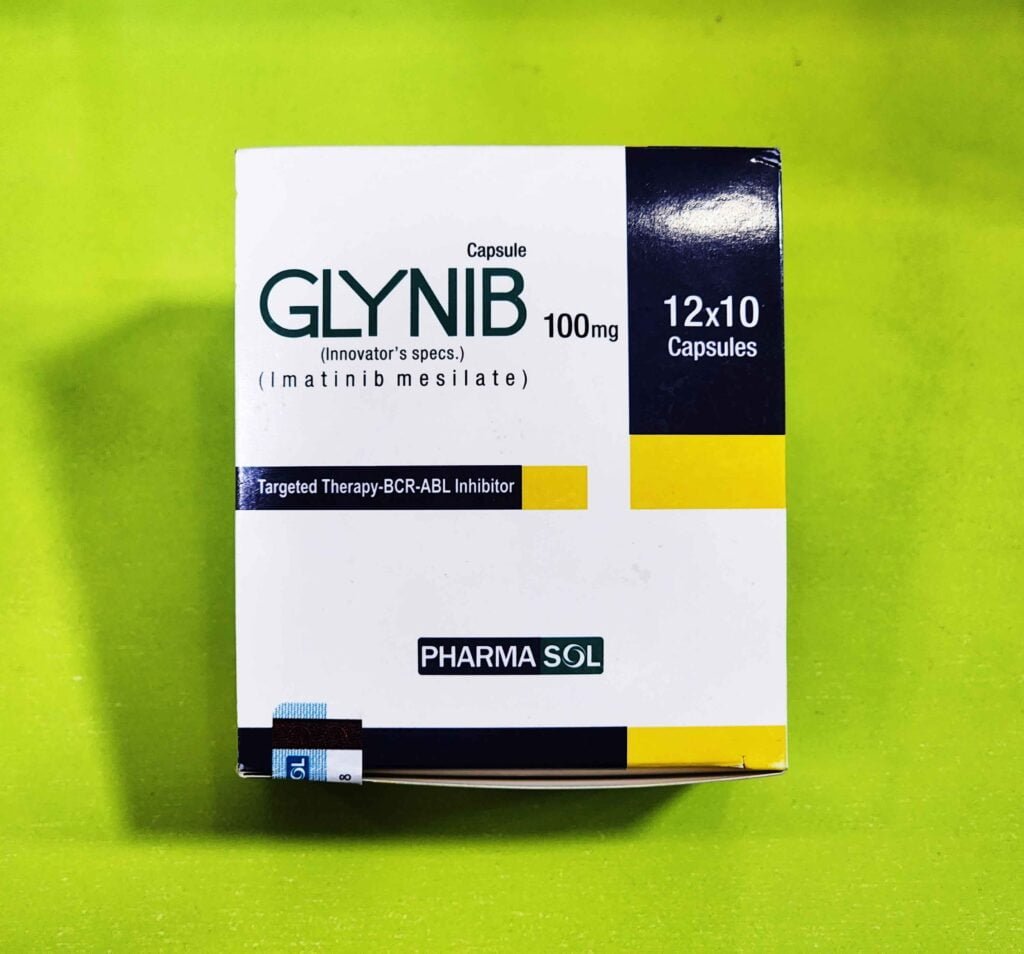
Availability of Glynib in Pakistan
Glynib, which is a brand name for Imatinib Mesylate, has emerged as a crucial medication in the management of certain cancers, particularly chronic myeloid leukemia (CML) and gastrointestinal stromal tumors (GISTs).
In Pakistan, Glynib has become increasingly available due to the efforts of pharmaceutical companies and healthcare institutions to ensure access to vital treatments for patients.
Glynib can be found in numerous local pharmacies (A + Pharmacy in Islamabad) across major cities, as well as in numerous hospitals that specialize in cancer care.
In addition to brick-and-mortar pharmacies, patients can purchase Glynib through various online platforms.
These e-commerce websites provide convenient options for those who may have difficulty accessing physical locations.
While ordering medications online, it is imperative to ensure that the platform is reputable to guarantee the authenticity of the product.
Many online pharmacies in Pakistan offer Glynib at competitive prices, making it accessible to a larger segment of the population.
When discussing the availability of Glynib in Pakistan, it is noteworthy to mention the pricing structure.
The price of Glynib is relatively reasonable when compared to international markets. Many patients find Glynib price in Pakistan to be more affordable, which is essential for long-term treatment adherence.
This affordability is partly due to regulatory practices employed by the Pakistani government aimed at controlling pharmaceutical prices and ensuring that essential medicines remain accessible.
Consequently, patients are more likely to complete their treatment regimens, which is vital for successful outcomes.
In conclusion, the availability of Glynib (Imatinib Mesylate) in Pakistan is characterized by its presence in local pharmacies, hospitals, and online platforms, complemented by a reasonable price point, thus ensuring access to this vital medication for patients in need.
Uses of Glynib
Glynib, which contains the active ingredient imatinib mesylate, is recognized for its significant role in oncology, particularly in the treatment of specific malignancies.
One of the primary indications for Glynib is Chronic Myeloid Leukemia (CML), a type of cancer that affects the blood and bone marrow.
The medication functions by inhibiting the BCR-ABL tyrosine kinase, an enzyme that is abnormally active in CML, thereby preventing the proliferation of cancerous cells.
This targeted action makes Glynib an essential component of treatment regimens for patients diagnosed with CML, offering hope for improved survival rates and quality of life.
In addition to CML, Glynib is also prescribed for Gastrointestinal Stromal Tumors (GISTs). GISTs are tumors that occur in the digestive tract, and they often express the CD117 receptor, which allows imatinib to exert its therapeutic effects.
The efficacy of Glynib in shrinking these tumors and prolonging patient survival highlights its vital role in the management of GISTs.
The focus on the molecular targets of these cancers underscores the shift towards personalized medicine, where treatment is tailored to the patient’s specific disease characteristics.
The integration of Glynib into treatment plans for these conditions has been associated with improved outcomes, including reduced symptoms and enhanced tolerability.
Clinicians emphasize the importance of adhering to the prescribed dosage of Glynib to maximize its potential benefits.
It is important to note that while Glynib is a vital therapeutic agent, monitoring for side effects is essential to ensure that patients maintain their quality of life during treatment.
How Glynib Works
Glynib, containing the active ingredient imatinib mesylate, functions primarily as a tyrosine kinase inhibitor.
This targeted therapy is specifically designed to intervene in the biochemical processes that facilitate the growth and proliferation of certain types of cancer cells.
In particular, it is effective in blocking the activity of the BCR-ABL protein, which is a fusion protein resulting from a chromosomal abnormality commonly associated with chronic myeloid leukemia (CML) and some types of acute lymphoblastic leukemia (ALL).
Tyrosine kinases play a crucial role in the signaling pathways that regulate cellular functions, including cell division and survival.
In cancer, these kinases may become deregulated, leading to uncontrolled cell growth. By inhibiting the BCR-ABL tyrosine kinase, Glynib effectively disrupts these signals, thereby halting the proliferation of malignant cells.
This mechanism not only reduces the size of tumors but also inhibits the spread of cancer throughout the body.
Furthermore, Glynib exhibits selectivity towards cells expressing the abnormal BCR-ABL fusion protein, which minimizes its impact on normal cells.
As a result, patients often experience fewer side effects compared to traditional chemotherapy, where healthy cells are similarly affected.
The targeted nature of glynib therapy allows for a more effective treatment regimen for individuals diagnosed with conditions such as CML.
Many healthcare professionals in Pakistan recommend imatinib in Pakistan due to its proven efficacy.
With therapeutic advances, many patients can achieve significant improvements in disease management with glynib, making it an essential component of targeted cancer therapy.
Possible Side Effects of Glynib
Glynib, which is the brand name for Imatinib Mesylate, is an effective treatment option for certain types of cancers, particularly chronic myeloid leukemia (CML) and gastrointestinal stromal tumors (GISTs).
As with any medication, patients should be aware of the potential side effects associated with Glynib. These side effects can be categorized into common and rare side effects, which vary in frequency and severity.
Common side effects of Glynib include nausea, vomiting, diarrhea, and fatigue. Many individuals may also experience fluid retention, which can lead to swelling in areas such as the face, ankles, or abdomen.
Some patients report experiencing muscle cramps or joint pain while on Glynib therapy. These side effects are generally manageable and may subside as the body adjusts to the medication.
It’s essential for patients to communicate any bothersome side effects to their healthcare provider, who may offer supportive care options or adjust the dosage as necessary.
On the other hand, rare but serious side effects may occur with Glynib, such as liver enzyme abnormalities and severe allergic reactions.
Patients taking Glynib should undergo regular monitoring of liver function tests to identify any emerging issues early.
Furthermore, there is a risk of cardiotoxicity associated with long-term use of this medication, which necessitates vigilant monitoring by healthcare professionals.
Patients considering Glynib in Pakistan should discuss the potential side effects and their likelihood with their healthcare provider before starting treatment.
Understanding these risks allows for better management of side effects should they arise, thus enhancing the patient’s overall treatment experience and contributing to better adherence to therapy.
Close observation and open communication are critical during Glynib treatment to ensure safety and efficacy.
Contraindications and Precautions
Glynib, known generically as imatinib, is a crucial medication used in the treatment of certain types of cancer, including chronic myeloid leukemia and gastrointestinal stromal tumors.
However, it is essential to recognize that not all patients are suitable candidates for this treatment.
There are specific contraindications that must be taken into account before commencing therapy with Glynib.
Patients with known hypersensitivity to imatinib or any component of the formulation should avoid using Glynib, as severe allergic reactions may occur.
Additionally, individuals with severe liver dysfunction must exercise caution, as the metabolic clearance of imatinib occurs primarily in the liver, and impaired hepatic function could lead to increased plasma concentrations and potential toxicity.
Furthermore, patients who are currently pregnant or breastfeeding should consult their healthcare provider regarding the use of Glynib, as its effects on fetal development or lactation have not been thoroughly established.
Those with pre-existing cardiac conditions, particularly left ventricular dysfunction or heart failure, should also be monitored closely, as imatinib may affect cardiac function.
It is crucial for individuals with a history of gastrointestinal issues, such as obstructions, to inform their healthcare provider, as Glynib can lead to nausea, vomiting, or gastrointestinal bleeding.
Interactions with other medications can also pose risks during Glynib treatment. Patients should provide a comprehensive list of all medications they are currently taking, including over-the-counter drugs, herbal supplements, and any other prescribed therapies.
Certain medications can increase Glynib levels or vice versa, potentially resulting in diminished efficacy or enhanced toxicity.
Overall, careful evaluation of contraindications and precautions is necessary to ensure the safe and effective use of Glynib in Pakistan’s healthcare landscape.
Consultation with Healthcare Professionals
The initiation of any medication, including Glynib (Imatinib Mesylate), necessitates thorough consultation with healthcare professionals.
This is crucial as it ensures that the treatment aligns with individual health conditions and needs.
When considering Glynib, patients should not hesitate to pose relevant questions to their healthcare providers.
Inquire about the medication’s efficacy in relation to specific health issues, potential side effects, and any necessary safety precautions.
Additionally, it is vital to discuss any existing medical conditions or allergies that could influence the treatment process.
Pharmacists play an equally significant role in the medication management process. They are invaluable resources when it comes to providing detailed information about Glynib, including dosing instructions and potential drug interactions.
Engaging in a dialogue with pharmacists can enhance understanding of the medication’s action and the importance of adhering to the prescribed regime.
Patients should also ensure that they are aware of the glynib price in Pakistan, which may vary across different pharmacies, and can influence decisions regarding the treatment plan.
Patient education is an integral aspect of managing treatment plans effectively. Education empowers patients to understand their health better and enables them to make informed decisions regarding their treatment options.
It encourages adherence to prescribed medications like Glynib, ultimately improving health outcomes.
Knowing when to seek help and understanding the signs of adverse reactions are also critical components of this education.
Overall, involving healthcare professionals fully in the treatment journey not only fosters a positive therapeutic relationship but also ensures greater safety and efficacy when using medications such as Glynib in Pakistan.
Cost Considerations for Patients
The financial implications of managing a medical condition requiring Glynib (Imatinib Mesylate) 100 mg can be significant for patients in Pakistan.
Understanding these costs is vital for effective treatment adherence and overall health management.
Currently, the Glynib price in Pakistan varies depending on the pharmacy and the region, which can affect patient accessibility to this essential medication.
In general, Glynib is considered a crucial treatment for various types of cancer, including chronic myeloid leukemia (CML) and gastrointestinal stromal tumors (GIST).
For many patients, the cost of Glynib can lead to substantial out-of-pocket expenses. Despite its importance, the expenses associated with receiving Glynib can strain family finances, especially for those without insurance coverage.
It is crucial for patients to explore their options regarding insurance coverage and to understand what costs might be incurred.
Most health insurance policies provide some level of coverage for cancer medications, but coverage specifics vary widely.
Consultation with insurance providers can help delineate what portion of the Glynib cost will be borne by the insurance and what will be out-of-pocket.
Beyond insurance considerations, patients may find relief through various financial assistance programs designed specifically for those needing medications like Glynib.
These programs can offer discounts, co-pay assistance, or even free medications for eligible individuals. Furthermore, consulting healthcare providers about these resources can be beneficial, as many clinics have staff trained to guide patients through available financial resources.
Managing the costs associated with Glynib in Pakistan requires a proactive approach. By understanding insurance coverage, exploring financial assistance programs, and communicating with healthcare professionals, patients can more effectively manage their medication expenses, ensuring that financial barriers do not hinder access to critical treatments.
Disclaimer and Important Information
The information provided in this blog post regarding Glynib (Imatinib Mesylate) 100 mg is intended solely for informational purposes and should not be construed as medical advice.
While every effort has been made to ensure the accuracy and reliability of the content related to glynib, imatinib in Pakistan, and glynib price in Pakistan, readers are strongly encouraged to consult healthcare professionals for personalized medical guidance.
Only qualified healthcare providers are equipped to make decisions regarding your health and the appropriateness of treatment options.
It is essential to remember that individual responses to medications can vary significantly. Factors such as medical history, other treatments, or existing health conditions can all influence treatment effectiveness and safety.
Therefore, patients must engage in open discussions with their healthcare providers before considering any medication, including Glynib. This is particularly relevant for Glynib, as it is used to treat specific medical conditions that require careful consideration.
This blog post does not substitute for the expertise and judgment of healthcare professionals. Any decisions regarding medication usage should be based on consultations with those who have detailed knowledge about the patient’s circumstances.
In addition, the price of glynib in Pakistan may fluctuate based on various factors, and patients should verify current prices and availability through their local pharmacies or health providers.
In conclusion, while this blog post provides useful insights into Glynib and its applications, it is critical to emphasize that discussions with a healthcare provider should be prioritized when considering treatment options. Ensuring proper medical guidance will foster optimal health outcomes and mitigate potential risks associated with self-treatment.